
-
Overview
-
Date and Cost
-
Room & Food
-
Daily Volunteer Activities
-
Apply
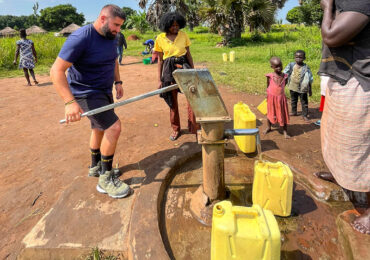 The Water, Sanitation and Hygiene (WASH) entails the provision of safe water for drinking and other domestic use, the safe disposal of waste (toilet and other waste), and health promotion activities to encourage protective, healthy behavioral practices amongst the population. Nearly 90 percent of Uganda’s 37 million people reside in small towns and rural areas, and roughly two-thirds of them lack access to safe water.
More Water Facts:
- Over half of the population in Uganda lacks access to a safe place to use the toilet.
- 8.8 million People in Uganda don’t have access to safe water. This is almost a quarter of the population.
- Over 22 million people don’t have access to adequate sanitation in Uganda, almost two-thirds of the population.
- Over 12,000 children die every year from diarrhea caused by unsafe water and poor sanitation in Uganda.
Pit latrine coverage in Uganda is low, 47%. A study done by UNICEF(1993) showed that pit latrine coverage was 20% and those families who have the pit latrines but do not use them, while others have them but in poor hygienic conditions, and yet others do not have them at all. As a result of this, there is a high incidence of diseases caused by poor sanitary conditions, especially worm infestation and diarrhea. This is where you come in!
What will I be doing?
As mentioned above, the main traditional sources of water in most parts of rural Uganda are small ponds and unprotected wells, both of which are easily polluted, causing disease and ill-health. The ultimate goal of your volunteering effort is to be able to help these communities access safe, sustainable, clean water for their home use.
Volunteers in this field work alongside local communities to ensure that water, sanitation, and hygiene projects, programs, and awareness are implemented effectively, professionally, and in accordance with the culture and practices of the local population.
Since there are so many processes involved in bringing clean water and sanitation to the communities, volunteers can choose among our three WASH project components including water construction and engineering, construction of Pit Latrines, and community health outreach.
WATER CONSTRUCTION & ENGINEERING.
Volunteers taking on this component work in manual labor, such as digging the water wells, constructing of Spring Water Well, and digging trenches alongside skilled and unskilled local builders to help with the construction work. Volunteers can also help in the Construction and renovation of Boreholes and water wells, and Provide Technical Advice and skills to the WASH team in water. Both of these fields are fundamental in creating a working water system. Much of this type of volunteer work requires physical labor, sometimes in extremely difficult conditions. Volunteers working on the construction or engineering components of clean water projects abroad should be well prepared for these conditions upon arrival.
CONSTRUCTION OF PIT LATRINES.
Goal: Ensuring everyone has access to a toilet is goal 6 of the United Nations Sustainable Development Goals: “By 2030, achieve access to adequate and equitable sanitation and hygiene for all and end open defecation, paying special attention to the needs of women and girls and those in vulnerable situations.”
You will work alongside skilled and unskilled local builders to help with the construction work. These projects will contribute to and support the capacity building of rural communities through an intercultural learning experience. You do not need prior experience for these projects. These are a very hands-on, hands-dirty sort of program. Enthusiasm, a good sense of humour, and a helping spirit are required.
PUBLIC HEALTH AWARENESS OUTREACH.
Unsafe sanitation practices and the spread of preventable diseases are a large part of Uganda's water crisis. Therefore, volunteers are needed to help educate the public, teach basic hygiene skills, test wells and other water sources, and provide affordable treatment to those in need. The importance of marketing, public awareness raising and education, community outreach, and fundraising for a cause cannot be expressed enough; these are the drivers that make change possible. Volunteers who choose these types of WASH project components can expect to coordinate events, monitor and evaluate projects, write newsletters and press releases, and manage overall publicity of clean water projects. Assisting in the preparation of the WASH proposals and Grant writing for WASH Projects, funding and fundraising for the WASH projects using the “CROWD FUNDING” Approach.
Our volunteer placement programs run all year round. Though our volunteer placement program start date can be flexible, we recommend that all prospective volunteers set their start date either on the 1st or the 3rd Monday of each month. We advise you to arrive one day before your program is due to start (the day before orientation). Accommodation is provided from the Sunday night before your program starts on Monday; however, if you arrive earlier, our staff will organize accommodation for you. This accommodation will cost extra, but it is not expensive (expect to pay approximately US$30 per night (B&B). You will pay for this accommodation directly to the Hotel when you arrive in the country. Once you have booked your flights to Uganda, ensure you email your flight details to our Volunteer Placement Advisory to ensure you are picked up at the airport.
Weekly Volunteer Program Fees (Program fee is quoted in US Dollars)
What's Included
Airport Pick-up
Volunteers will be met by our program coordinator at Entebbe International Airport in Entebbe town upon arrival, after which you will be transferred to your project site. Please email your flight details to our program placement coordinator once you have booked your flight.
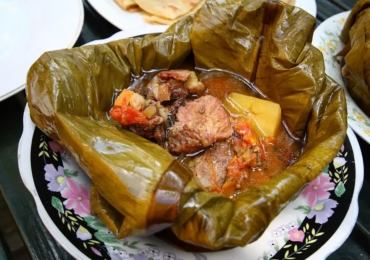

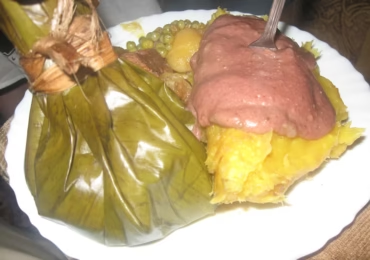
Ugandan food is tasty, diverse, and volunteers can expect to experience flavors and meals during their volunteer experience. You will be provided with 3 meals a day (breakfast, lunch, and dinner). Meals will consist of local foods (matooke, posho, cassava, pumpkin, sweet potatoes, yams, and rice), served with green/vegetables, beef, chicken, fish, beans, or ground-nut stew. The country’s tropical climate contributes to a healthy choice of fruits, which include bananas, watermelon, papayas, mangos, jackfruit, guava, passion fruit, sugar canes, and pineapples. (On season)
Depending upon the particular location and placement, volunteers will either stay with a host family or within our Volunteer Guest House. We offer simple but clean, safe, and comfortable living spaces where volunteers can reside in either a single room or share a room with a fellow volunteer of the same gender.
Note: Our homestays are selected homes that are upgraded to a level where host families can host tourists. Our host families are chosen carefully and are esteemed community members and experienced in hosting international volunteers. They have a strong interest in our volunteers’ safety and well-being and demonstrate this with caution and care. The family is trained in visitor handling, nutrition, hygiene and sanitation, and waste disposal. It is expected that community tourism will economically empower families and provide cross-cultural exchange between hosts and visitors.
Thus, staying with a host family offers a strong and supportive system to volunteers during their program, and it’s a great way to learn about local people’s culture and customs. Volunteers are recommended to bring their own sleeping bags and other accessories necessary for their personal comfort.
A Day In The Life Of A Volunteer:
Volunteer Booking Form
With our local experts, plan your trip to meet what you want, where you want, how you want and at what budget you plan to spend. You will have a well coordinated and organized trip without devoting too much time on planning.
SITA Foundation VOLUNTEER & Cultural Experience PROGRAM
Our volunteer programs exist to empower socially and environmentally-conscious travelers to make a meaningful impact, to foster cultural exchange, and to expand their skills and horizons – this is our purpose. We’re the facilitators, but it’s the incredible contributions from our volunteers that make it all possible. We’re here so that, as a collective, we can make a difference.
We believe in the spirit of Africa and that your experience is just as important as your impact. Volunteering is a two-way thing. It’s not just about the help and skills that you can bring; it’s also about what this amazing continent, its people, and its wildlife can give you in return. An experience filled with adventure, learning, and breath-taking moments will make sure you go home, share the magic of Africa, and come back. Ultimately, we combine extraordinary experiences with genuine impacts. Join this extraordinary adventure and embark on the most meaningful experience of your lifetime.
Are You Ready to have An Experience while you Change The World?
If you’re seeking a life-changing grassroots cultural immersion experience, then you’ve come to the right place. SITA Adventures connects socially, culturally, and environmentally conscious travelers with authentic Ugandan experiences that make a difference. Our purpose is to promote community wellbeing, empower local economies, and support sustainable livelihoods in line with the United Nations Sustainable Development Goals (UNSDGs)—all while creating meaningful and transformative journeys across Uganda.
Choose from a wide range of volunteer programs below
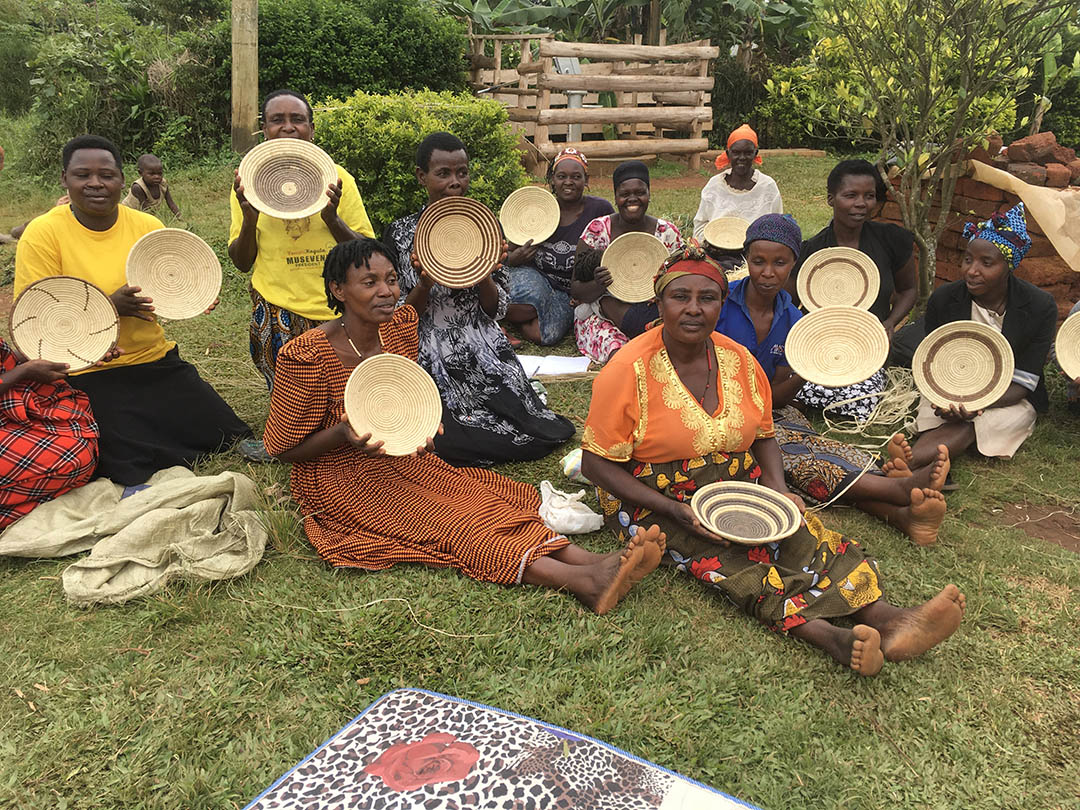
Women & Girl Child Empowerment
The project aims to provide support to young women in developing the skills necessary to undertake income-generating activities, enabling them to support themselves and their families.
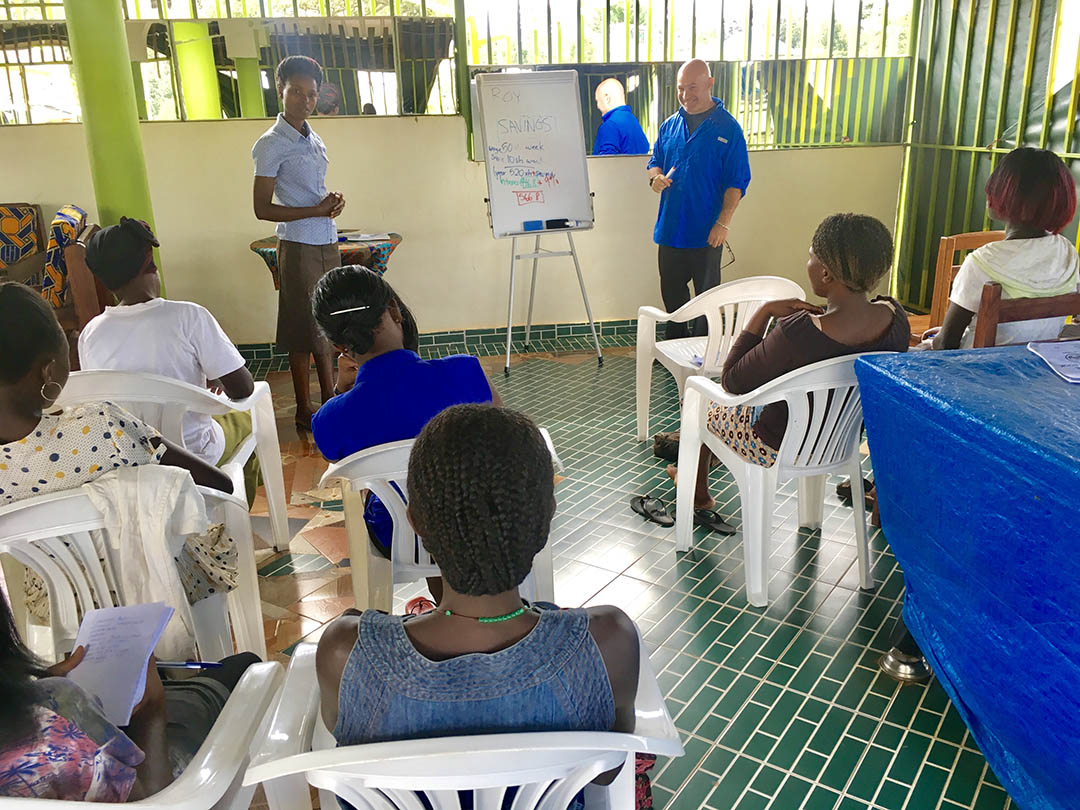
The Microfinance Program
The microfinance project aims to contribute to sustainable economic development by providing local individuals, groups, and communities with the proper skills training and micro-loans to grow their businesses.
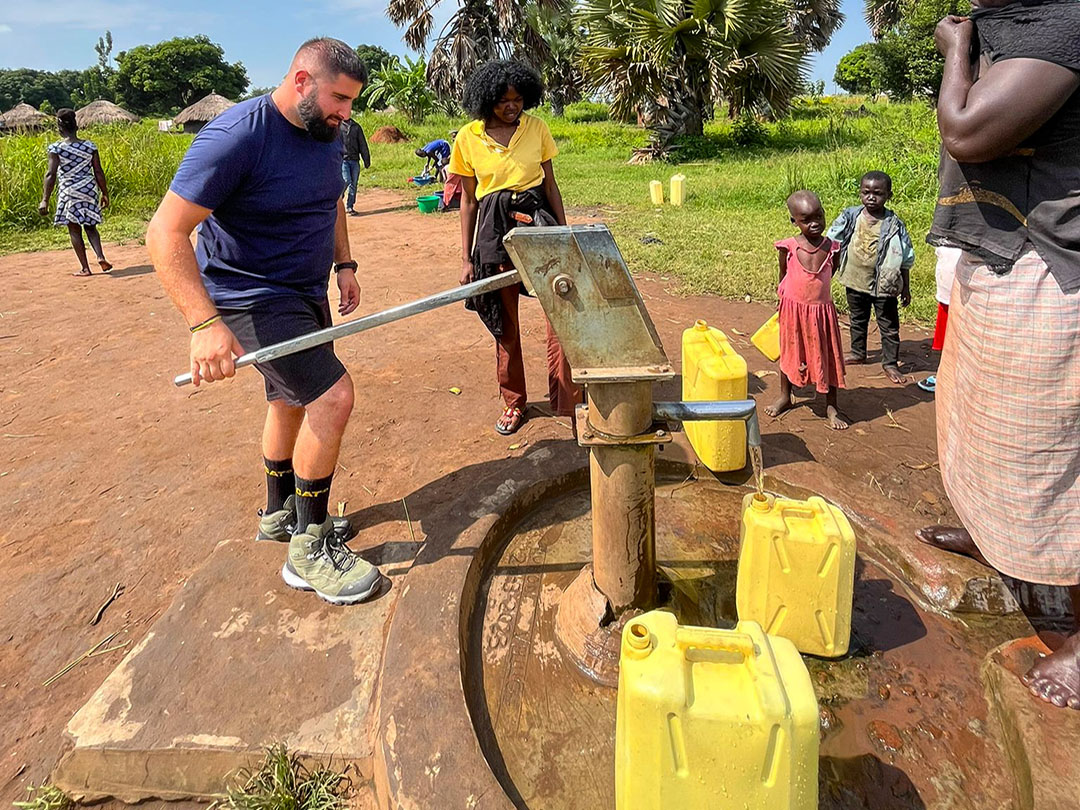
Water, Sanitation And Hygiene (WASH)
The Project entails the provision of safe water for drinking and other domestic use, the safe disposal of waste, and health promotion activities to encourage protective and healthy behavioral practices amongst the population.
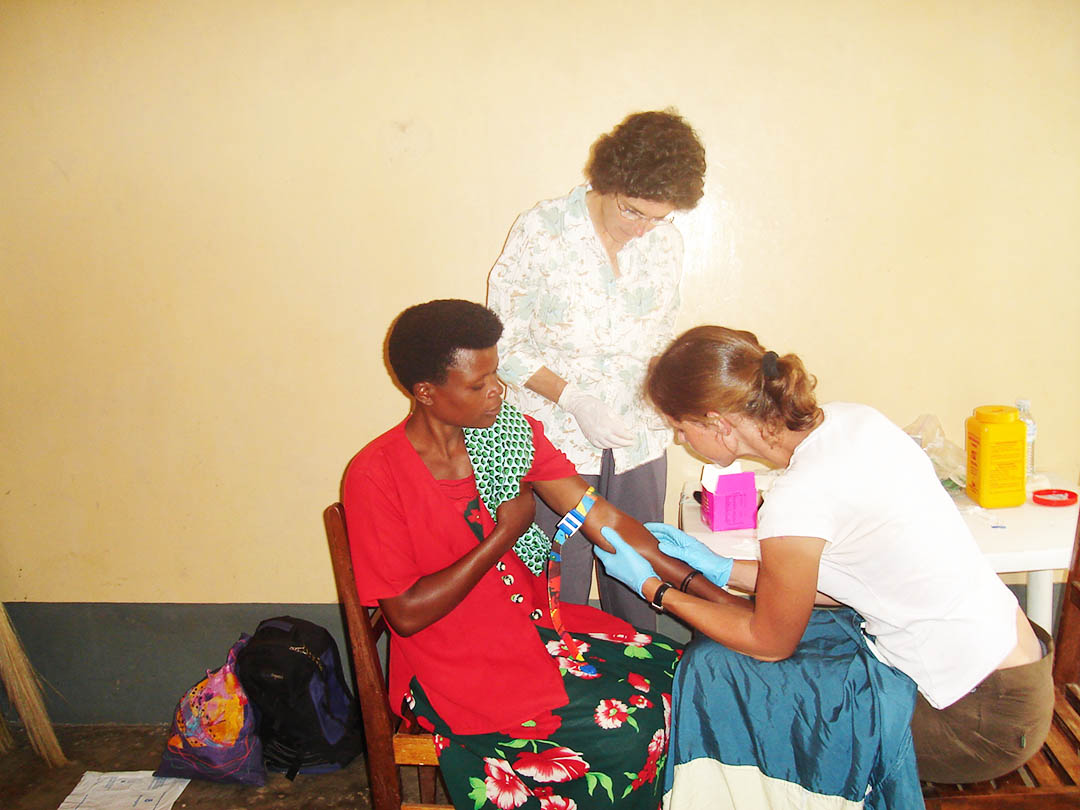
Medical Health Program
The aim of this project is to increase access to quality healthcare in Uganda, providing support to under-resourced local clinics, medical centers and hospitals. These placements encompass a wide range of medical fields.
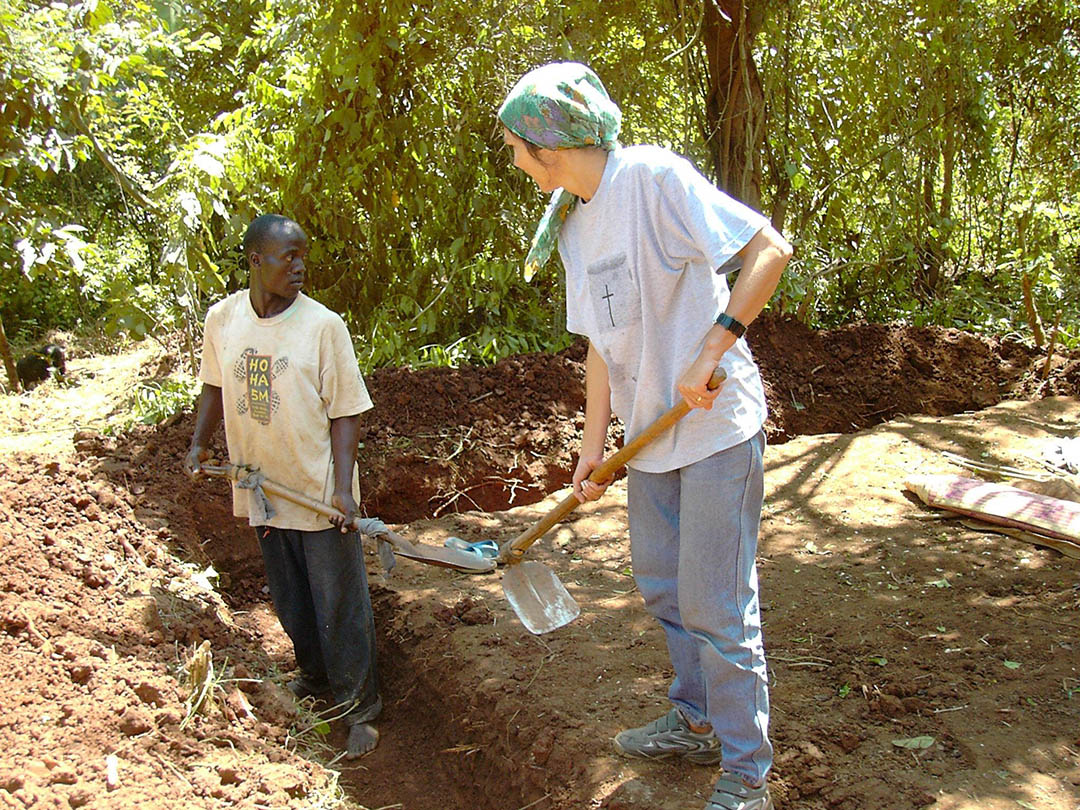
The Construction Program
Volunteers in this field work in manual labor jobs alongside skilled and unskilled local builders to help with the construction work. The buildings are made using traditional methods and locally sourced materials.

Environmental Conservation Program
Volunteers in this field will do hands-on work and have a direct impact on the preservation of the environment in the host communities. Participants will gain firsthand experience in agro-forestry, tree planting, and reforestation